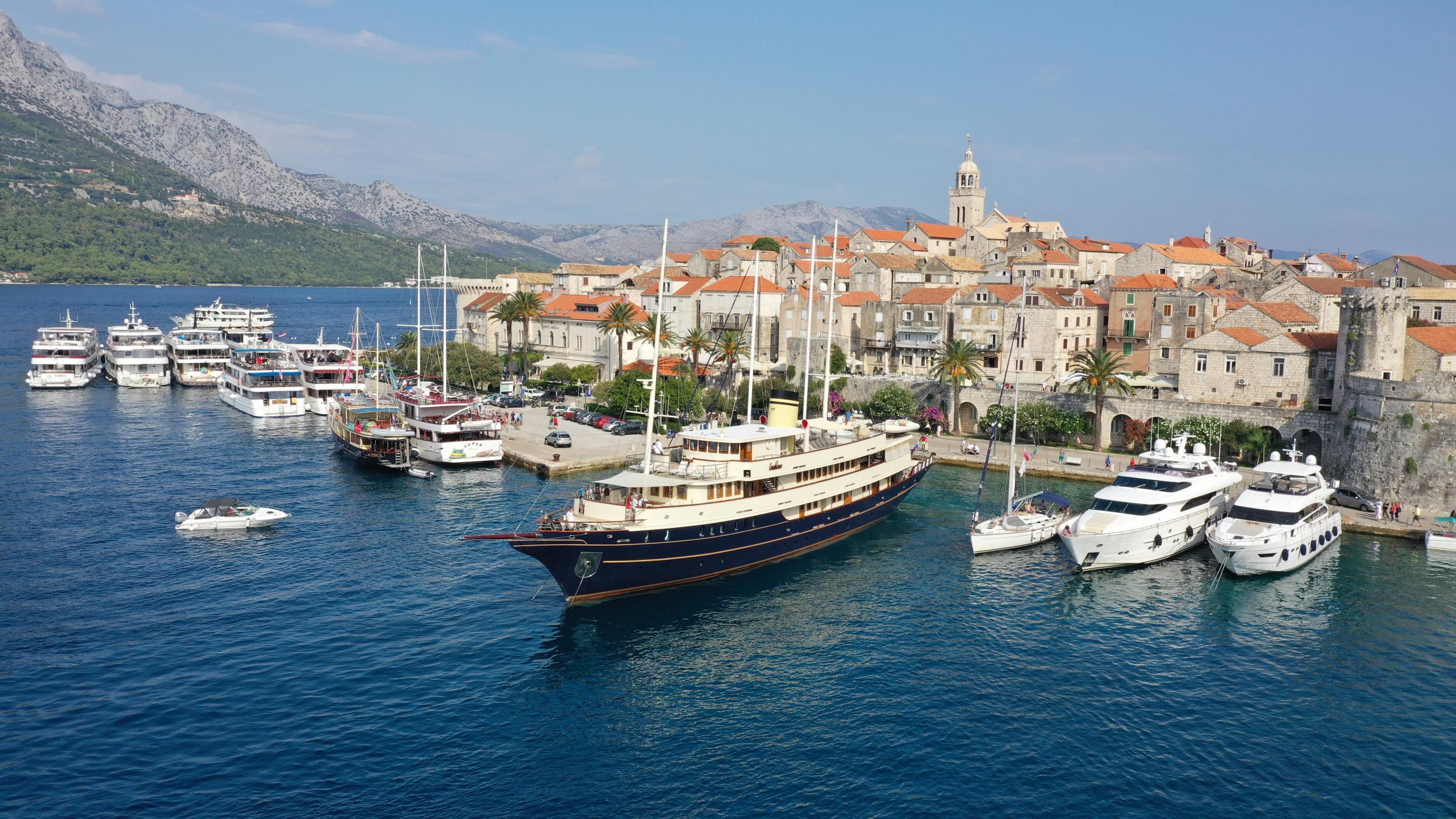
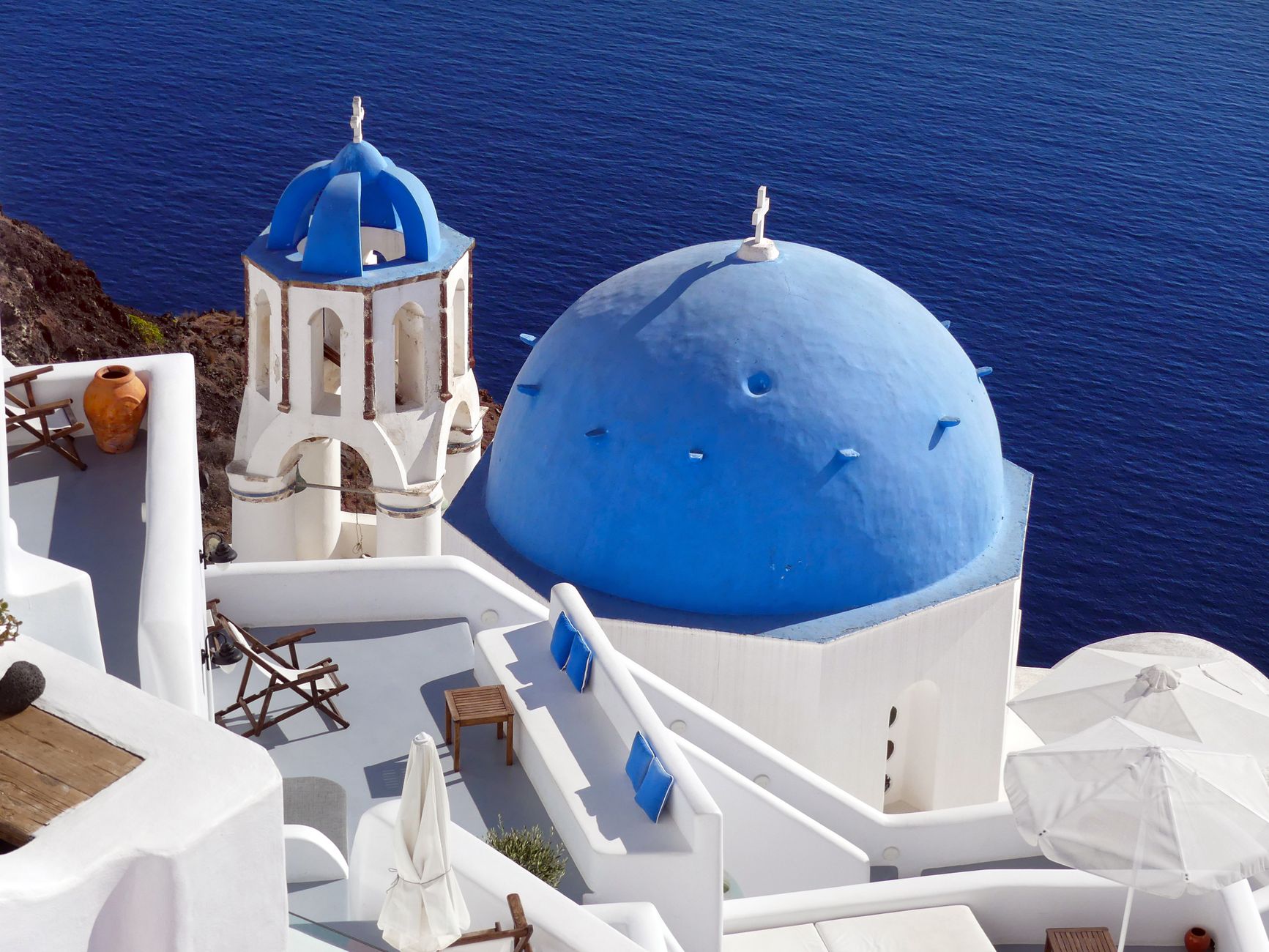
Italy does not do things by halves. The cliffs are steeper, the colours more vivid, the flavours more intense, the gestures more expressive. To sail the Italian coastline aboard a gulet is to surrender to a country that insists — with charm, with passion, with an espresso in one hand and a perfectly ripe peach in the other — that life should be lived beautifully. And it is very, very difficult to argue.
The Amalfi Coast: Drama at Every Turn
The Amalfi Coast is not subtle. It announces itself with sheer limestone cliffs plunging into cobalt water, terraced lemon groves clinging to near-vertical hillsides, and villages so improbably perched they seem to defy gravity itself. Approaching from the sea — as it was always meant to be approached — the full spectacle unfolds in a way that no road journey can replicate.
Positano comes first, tumbling down its cliff face in a cascade of pink, terracotta, and bougainvillea. Anchor in the bay and take a tender ashore to walk the narrow streets, where every turning reveals another view more dramatic than the last. Amalfi itself is grander — its cathedral, with its Arab-Norman façade, presides over a piazza that feels like an opera set. And Ravello, high above, offers gardens that look out over the coast from such a height that the yachts in the harbour below seem like toys.
Italy is the only country where the phrase "a simple lunch" can legitimately involve five courses, three wines, and a two-hour conversation about whether the burrata is better in Puglia or Campania.
But the Amalfi Coast is more than its famous villages. Between the headlands lie hidden coves accessible only by boat — tiny beaches of smooth pebble backed by grottoes where the water glows turquoise. Your captain will know them all, and on a gulet you have the freedom to linger as long as the mood takes you.
Capri and the Bay of Naples
Capri is the island that has seduced emperors, artists, and dreamers for two millennia. Tiberius built twelve villas here. Gorky, Rilke, and Graham Greene all wrote on its shores. Today it remains one of the most glamorous islands in the world — but also, if you know where to look, one of the most beautiful.
The Blue Grotto is the headline attraction, and deservedly so: a sea cave where reflected sunlight creates an almost supernatural blue glow that has astonished visitors since Roman times. But Capri's quieter pleasures are equally rewarding — the walk to Villa Jovis, Tiberius's clifftop palace; the tiny harbour of Marina Piccola, sheltered by the dramatic Faraglioni rock stacks; the scent of jasmine in the gardens of Augustus as you look down the vertiginous Via Krupp.
Naples, across the bay, is Italy at its most vivid and uncompromising. The city is noisy, chaotic, beautiful, and the birthplace of pizza. Eat a margherita at Da Michele — where they have been making exactly two types of pizza since 1870 — and you will understand why Neapolitans regard all other pizza with gentle pity.
The Aeolian Islands: Fire and Water
Sail south from Naples and the Aeolian Islands rise from the Tyrrhenian Sea like something from a myth. This volcanic archipelago — a UNESCO World Heritage Site — consists of seven islands, each with its own extraordinary character.
Stromboli is the most theatrical. Its volcano erupts every fifteen to twenty minutes, sending fountains of molten rock into the night sky — a performance it has kept up for at least two thousand years. Anchor offshore after dark and watch the fireworks from the deck, the deep rumble of the mountain rolling across the water. It is one of the most primordial spectacles in Europe.
Lipari is the archipelago's hub — lively, colourful, with an excellent archaeological museum and waterfront restaurants that serve swordfish so fresh it was swimming that morning. Salina, the greenest island, is where the capers grow that find their way into kitchens across Italy. And Panarea, the smallest inhabited island, is as close to a private paradise as the Mediterranean gets — all whitewashed houses, hot springs, and a single, perfect beach.
Sardinia's Costa Smeralda
Sardinia is a world apart. The north-eastern coast — the Costa Smeralda — was developed in the 1960s by the Aga Khan, who recognised that this stretch of granite headlands and emerald water was something extraordinary. Today it is one of the most exclusive sailing grounds in the Mediterranean, with anchorages that range from the glamorous — Porto Cervo, with its superyacht marina and designer boutiques — to the genuinely wild.
The Maddalena Archipelago, a national park of pink granite islands and crystalline water, lies just offshore. These islands are almost Caribbean in their beauty — soft white sand, water in every shade of green and blue, and a silence broken only by the cry of seabirds. Budelli's Spiaggia Rosa — the famous pink beach, coloured by crushed coral — is visible only from the water, a privilege reserved for those who arrive by boat.
Inland Sardinia is equally fascinating: ancient nuraghi towers dating back three thousand years, wild mountains where shepherds still move their flocks with the seasons, and a cuisine built on roast suckling pig, pane carasau flatbread, and a pecorino cheese so sharp it makes your eyes water with pleasure.
When to Go
Italy's sailing season runs from May to October. The Amalfi Coast and Capri are most magical in June and September, when the crowds thin and the light takes on that soft, honeyed quality that makes everything look like a Renaissance painting. The Aeolian Islands are best in July and August, when the sea is calmest and the volcanic spectacle most vivid against the dark sky. Sardinia is glorious from June through September, with the Costa Smeralda at its liveliest in July and August.
Italy by gulet is, ultimately, an exercise in abundance. There is always one more cove to explore, one more village to discover, one more plate of pasta to eat, one more glass of wine to pour. The Italians have a phrase for it — la dolce vita, the sweet life. From the deck of a gulet, with the Italian coast unfolding before you, it is not a phrase but a promise.