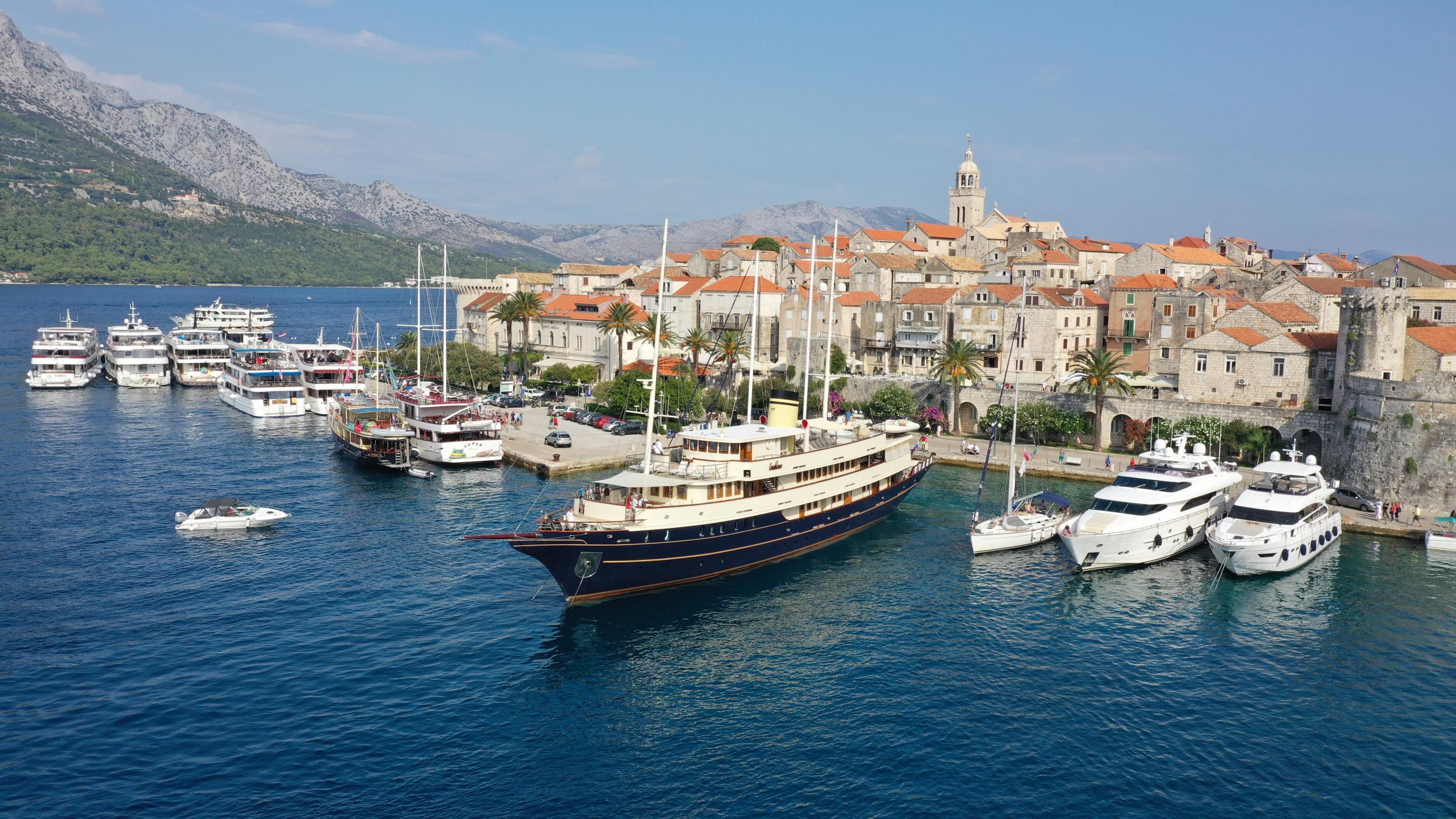
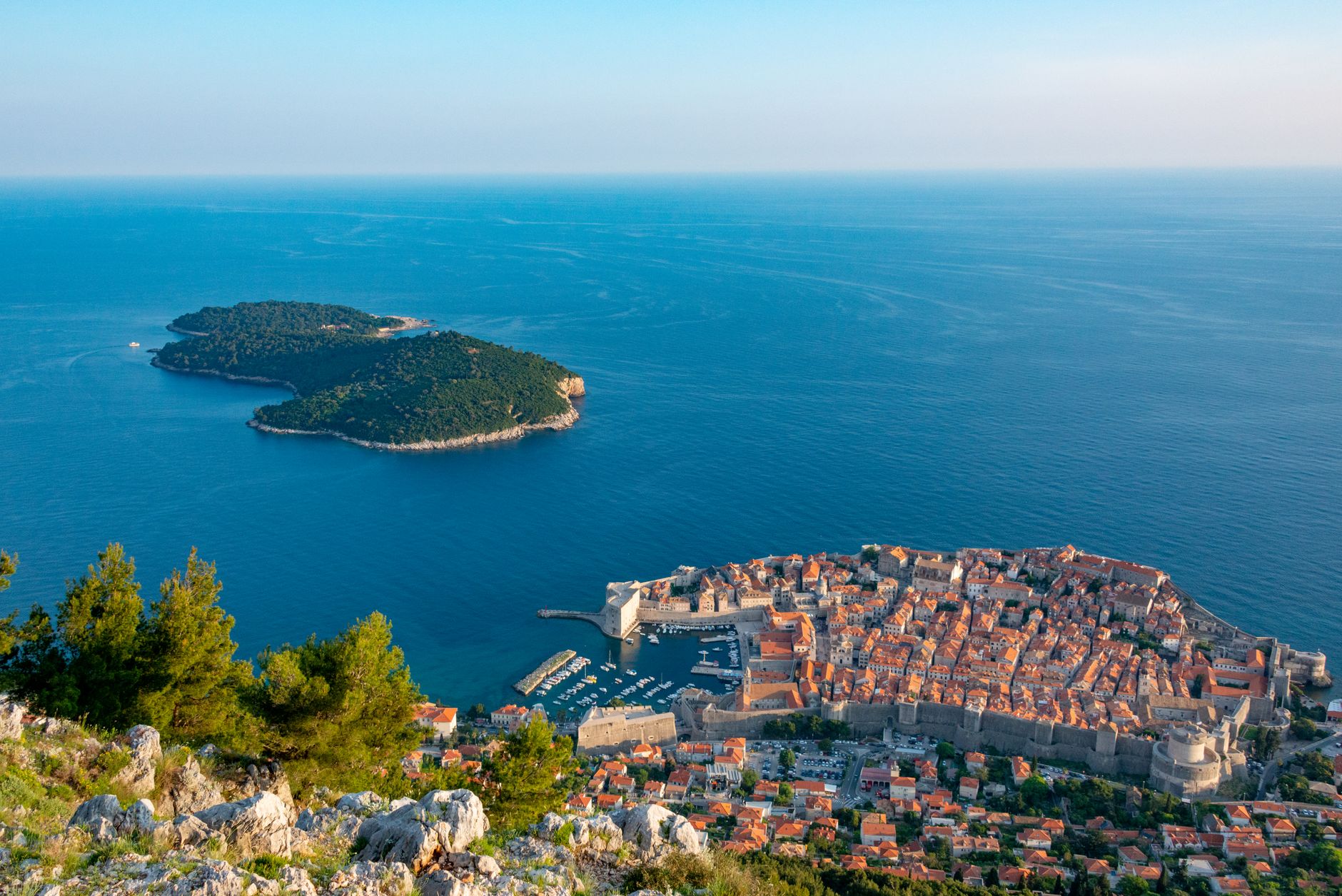
There is a stretch of coastline in south-western Türkiye where the mountains fall steeply into water so clear it barely seems to exist. Pine forests reach down to the shoreline, ancient Lycian tombs are carved into cliff faces above quiet bays, and the air carries the scent of wild thyme and salt. This is the Turkish Riviera — and it is, quite simply, the finest gulet cruising ground on earth.
The Gulet's Homeland
The gulet was born here. These elegant wooden sailing vessels have been built in the boatyards of Bodrum and Bozburun for generations, their hulls shaped from Turkish pine and mahogany by craftsmen who learned their trade from their fathers. To charter a gulet along the Turkish Riviera is not merely to take a holiday — it is to become part of a living maritime tradition that stretches back centuries.
Today's gulets bear little resemblance to the working fishing boats of old. They are floating sanctuaries of polished teak and linen, with spacious sun decks, air-conditioned cabins, and onboard chefs who turn the morning's catch into feasts. But the soul remains the same: the gentle creak of timber, the snap of canvas, the unhurried rhythm of life on the water.
Bodrum to Göcek: The Classic Route
The most celebrated gulet itinerary follows the coast from Bodrum south-east to Göcek, tracing what the Turks call the Mavi Yolculuk — the Blue Voyage. It is a journey of perhaps 150 nautical miles, but it feels like crossing into another world entirely.
Bodrum sets the tone. Its whitewashed cube houses tumble down the hillside to a harbour dominated by the Castle of St. Peter, a crusader fortress that now houses one of the world's finest museums of underwater archaeology. The marina buzzes with energy — boutique hotels, rooftop restaurants, the clink of glasses as the sun drops behind Kos. It is cosmopolitan, cultured, and just a little hedonistic.
Once you slip your mooring and head south, the world changes. The Hisarönü Peninsula is deeply indented with bays that have no road access — places you can only reach by boat. English Harbour, Bördübet, Selimiye: each anchorage more beautiful than the last, each evening spent watching the stars emerge above water that glows with bioluminescence.
Hidden Bays Only a Captain Knows
Beyond the headlands of Marmaris, the coast becomes wilder still. The Gulf of Fethiye is studded with islands — the Twelve Islands of Göcek — where you anchor in coves so sheltered the water lies like glass. Butterfly Valley, a deep gorge accessible only from the sea, is home to the Jersey tiger moth and feels genuinely primeval. Nearby, the ruins of the ancient city of Kaunos rise from the reeds beside the Dalyan river, guarded by the astonishing Lycian rock tombs that gaze serenely across the water.
The magic of the Turkish Riviera is in the contrasts — a two-thousand-year-old amphitheatre one morning, a deserted beach the next, a village market overflowing with pomegranates and fresh herbs by afternoon.
Göcek itself is the jewel of the voyage. This small, elegant marina town has resisted overdevelopment with quiet determination. There are no high-rise hotels, no neon signs — just a crescent of restaurants along the waterfront, a handful of excellent provisioners, and some of the most beautiful cruising waters in the Mediterranean spreading out before you.
The Food: From Sea to Table
Turkish cuisine aboard a gulet is an experience in itself. Your onboard chef will shop at dawn — selecting the finest sea bass or bream from the fishermen, filling baskets with tomatoes still warm from the vine, gathering bundles of flat-leaf parsley, sumac, and dried chillies from the spice sellers. Breakfast alone is a ceremony: honey from mountain bees, fresh white cheese, olives cured in brine, menemen scrambled with peppers, and always a glass of strong black tea.
By midday you might anchor in a bay where a simple waterside restaurant serves grilled octopus and cold meze, your feet almost in the water. In the evening, the chef transforms the day's catch into something extraordinary — perhaps a whole sea bass baked in salt, or prawns in a rich tomato and pepper sauce, followed by baklava so delicate it shatters at the touch of a fork.
When to Go
The season runs from May to October. July and August bring the warmest water and the longest days, but also the highest demand. The true connoisseurs favour June and September, when the light is softer, the bays are emptier, and the sea temperature is still glorious. May and October offer exceptional value and a coastline that feels almost private — though you will want a light layer for the evenings.
However you time it, the Turkish Riviera delivers something rare in modern travel: a sense of genuine discovery. Every bay feels like a secret. Every sunset feels like the first.